The recent semiconductor rally has made many investors feel like they missed the boat — again. But before we rush to “catch up”, it is worth asking: are we actually playing the same game as the traders who caught it?
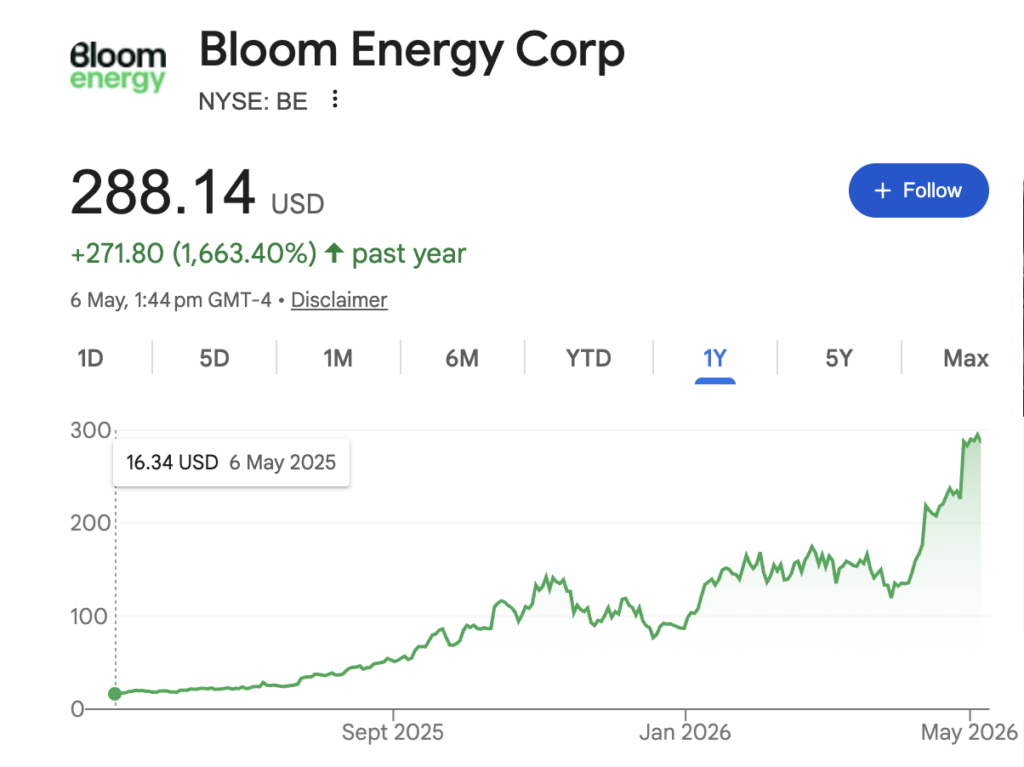
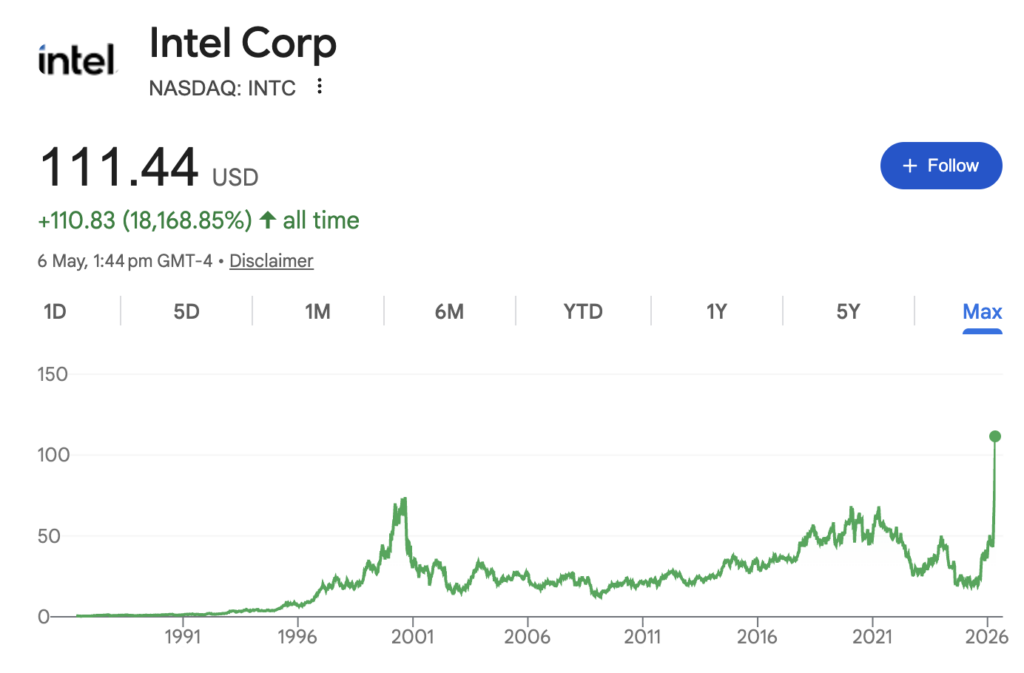
These were the thoughts that went through my mind as I watched stocks like Intel and Bloom Energy surge to record highs in the last few months. I’ve to confess, it certainly has made me feel moments of envy too.
After all, I’m only human.
But then I catch myself and ask, if I could turn back time, would I have bought these stocks? Or would I have similarly chosen to walk away?
Every now and then, the stock market does something that makes even disciplined investors feel like throwing their entire investing plan out of the window.
Recently, semiconductor stocks gave us one of those moments.
The PHLX Semiconductor Index rose for 17 consecutive trading days (31 March to 23 April 2026), marking its longest winning streak in 32 years. During this short period, the index gained more than 40%, which sits far above the usual 8% to 10% gains seen in even its previous long-winning streaks.
Naturally, this triggered a lot of FOMO.
But I took a step back and asked myself, would I have caught these stocks anyway – even if I could turn back time?
And I know deep down in my heart that the answer is no.
Are you playing the long or short game?
The answer determines what you should be studying and doing, how you should behave, and what kind of results you can reasonably expect.
This is where many retail investors get confused. We say we are long-term investors, but we panic when prices move down in the short term.
We say we believe in compounding, but we get upset when someone else makes 40% in 3 weeks.
We say we are not traders, but we keep judging our portfolio against short-term outcomes.
No wonder so many feel the disconnect.
How most retail investors behave
I’ve been actively answering DMs on social media and running my research subscription service for close to a decade now. Over the years, I’ve noticed a pattern.
When stock prices rise, I get questions like “Now still can buy?”
When stock prices fall, my readers ask, “Are you selling?”
It has been an interesting phenomenon for me to observe because this runs contrary to what we know about succeeding in the markets. Buy low, sell high. But the general crowd behaves in the exact opposite.
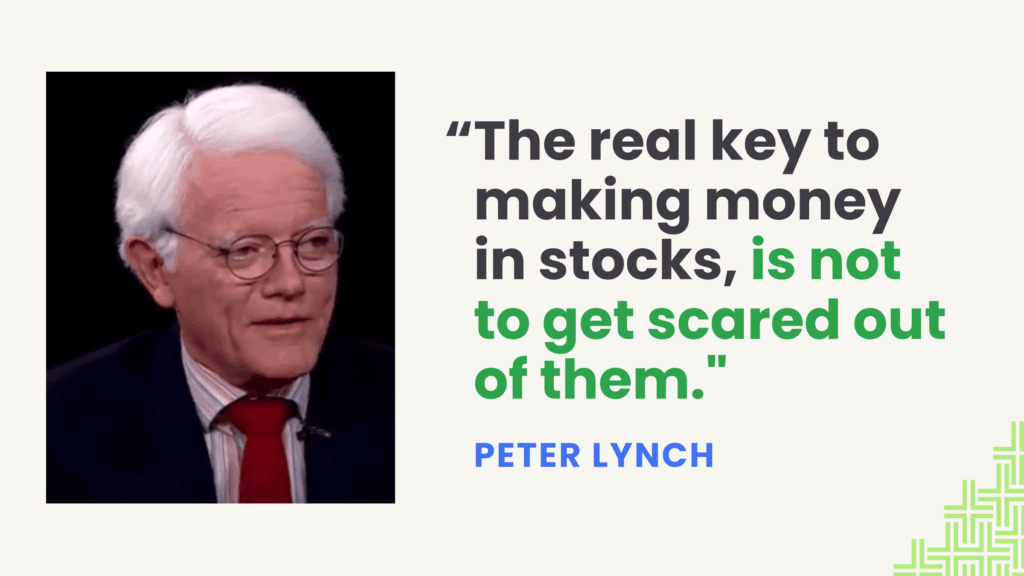
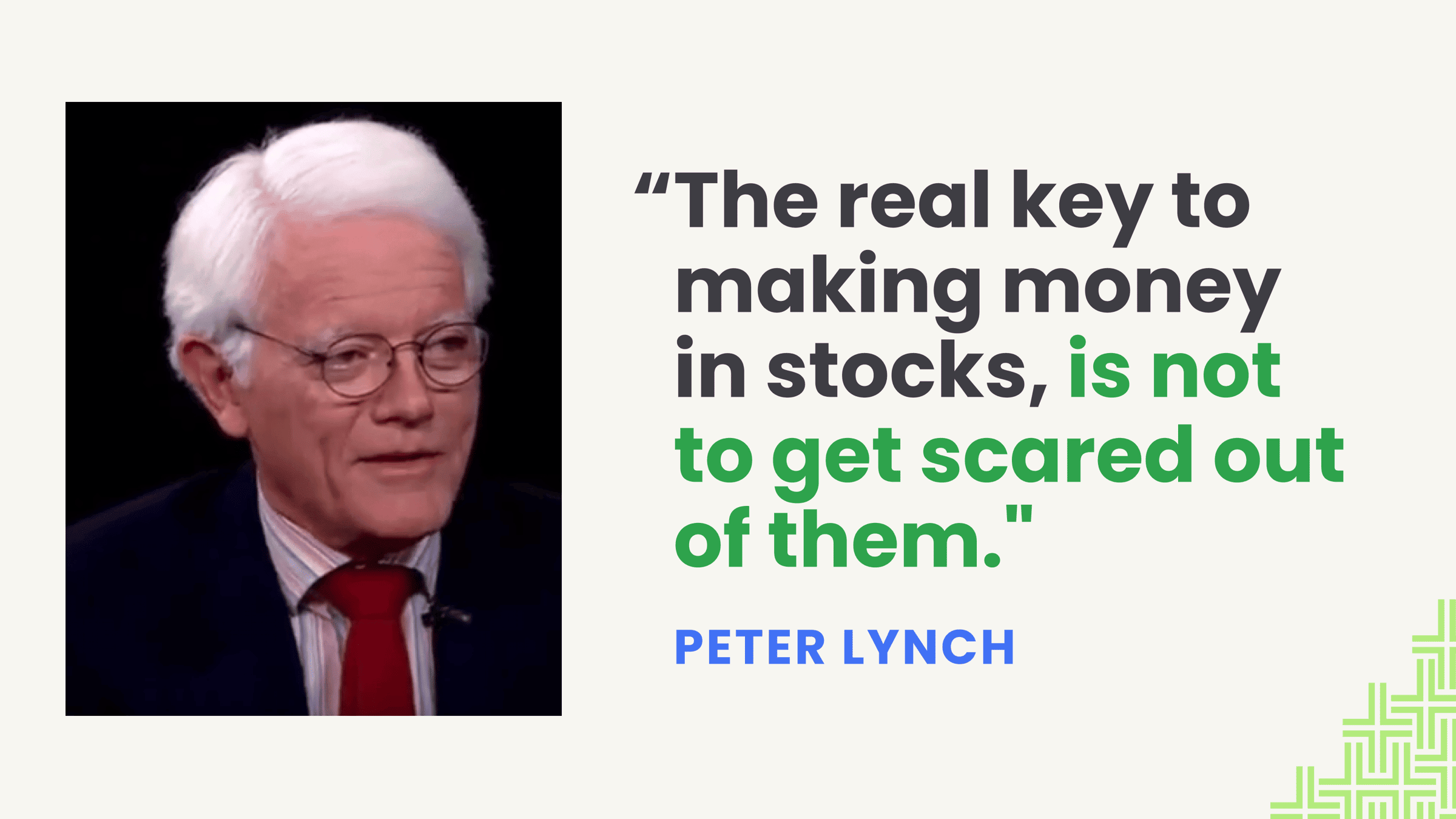
I’m reminded of what Peter Lynch once said:
What they’re seeking is borrowed conviction and emotional validation.
If you are playing the short game, you need to accept the trade-offs.
Nick Maggiulli wrote recently about how it doesn’t matter how someone performs for a month, a year, or even a decade. All that matters is what that person can keep in the long run and whether they can make it to the end.
He explains that he isn’t a fan of those who claim they “generate income by selling options”, because his view is that these people are trading immediate rewards for future risks. And when those future risks inevitably arrive, many of them get wiped out.
He’s a brilliant writer – one whose work I follow and am inspired by – so I’m just going to quote him verbatim on this:
All of these work great…until they don’t. Unfortunately, when they stop working, you can lose more than just your capital. You can lose your confidence too. That’s where the psychological cost of investing shows up. You start to question whether you know how to invest or whether you’re just lucky.
This is why survival matters far more than short-term performance. Because survival allows you to compound your money for a longer period of time. And it’s this compounding that builds true wealth.
There’s a great irony in this though. Because the people who compound their money for decades aren’t the ones you typically read about. There’s no headline for someone who invested consistently for 40 years and retired comfortably. There’s no documentary about someone who built a small fortune while working a 9-5 job. But these are the real financial success stories. Everything else is just noise.
I think most people need to be honest with themselves and ask, are they playing the short or short game?
Let’s call it what it is.
If you are trying to profit from short-term rallies, momentum, technical breakouts, sector rotation or market sentiment, then you are not simply “investing in good companies”. You are trading trends, which means you need to study a very different set of things. You need to watch price action. You need to understand momentum. You need to know where liquidity is flowing. You need to track market positioning, narratives, earnings catalysts, options activity, relative strength, and be able to spot when a crowded trade starts to reverse.
More importantly, as a short-term trader, you need to be fast.
Playing this game calls for a certain level of time, energy and reaction from you.
That’s something that I know I’m incapable of giving – which is why I choose to play the long game instead.
Your skills and efforts compound in the long game
Here is the part many people underestimate.
Today’s winning trend may be semiconductors. Tomorrow’s may be energy. Then copper. Then glass. Then crypto. Then gold. Then defence stocks. Then back to utilities again.
The skill is not merely identifying one hot theme, the requirement is to move fast enough when the market changes.
So if you want to play the short game, ask yourself honestly: Are you willing to spend time tracking the market almost every day? Are you willing to accept that one bad trade can wipe out several good ones?
Because if the answer is no, then the short game may not suit you.
I know it doesn’t suit me.
That’s why I choose to play the long game instead, where my skills and effort compound. Where doing something repeatedly and getting 1% better each time stacks up over the years.
My salary growth compounds when I build valuable skills.
My savings compound when I automated it and actively avoid lifestyle inflation.
My investment knowledge compounds as I keep studying businesses and risks.
This is the same philosophy I have written about over the years on this blog — whether it was saving before spending, tracking expenses, or choosing value over trends in everyday decisions.
Small, repeated behaviours can become meaningful over time when you stay consistent.
It is less sexy than catching a 40% semiconductor rally. But it is also more repeatable.
The trade-off: You will miss some fast money
The long game comes with one very uncomfortable trade-off: We will miss some opportunities.
We will watch some stocks fly without us. We will see traders make money faster than us. And from time to time, we’ll question whether we are being too conservative by not using leverage or taking on higher risks.
This is normal.
The long game does not protect us from FOMO. It just gives us a framework so we do not act on every feeling or the “next hot stock tip”.
And if you are investing for retirement or your children’s education like I am, then we really do not need to win every short-term race.
We just need to stay in the game long enough for compounding to work.
Everything else is called luck
I look at stocks like Bloom Energy and Intel and I know deep down that I wouldn’t have bought them anyway.
Despite achieving revenue growth, Bloom consistently reported net losses and significant negative free cash flow, which indicates its struggle to achieve sustainable profitability…and a reliance on external financing to fund operations and expansion. The fuel cell sector sits outside of my circle of competence.
Intel, on the other hand, was one that I thought could be a turnaround story after the US government announced its investment in it. But when I looked into the numbers, they didn’t pass my criteria either – the company is still experiencing significant financial distress, with its foundry business segment reporting massive losses, even operating losses of $2.4 billion in Q1 2026, contributing to a $3.7 billion GAAP net loss and severe margin pressures.
These are companies that I generally stay away from.
So I know I’m only feeling the FOMO now because the share price ran up, but in an alternate universe, if the share price had gone down or remained sideways, I would have felt very differently about sticking to my own rules.
The truth is, even if I had invested in Intel then, it would have been sheer good luck now that the price ran up.
But luck is not skill. And luck is not repeatable, nor is it in my control.
I didn’t catch all of the winners. But I did catch some – and a lot of them – over the years.
AMD at $100.
DBS at $14.
iFast at $1.
CSE Global at $0.46.
Palantir at $7.
Amazon at $160.
It is the same playbook and system I’ve used over the years to make money from investing in fundamentally strong companies that are being mispriced or misunderstood by the wider markets.
The same repeatable skill – one that I focus on honing to become 1% better each and every time I analyse or study a new business.
A skill that stacks and compounds over time.
Keep your eye on the right prize
So if you’re playing the long game but feeling the FOMO, know that it is perfectly normal to feel that way.
To counter these feelings, remind yourself of what game you’re really playing, and keep your eye on the (right) prize accordingly.
Stop watching the prizes touted by the traders. This is their moment in the limelight.
Let them.
And if you are playing the short game, then treat it seriously. Study trends. Build a process. Define your entry, exit, position size and risk limit before you enter. The biggest mistake you can make is to suddenly tell yourself you are a long-term investor just because a trade went against you.
If you are playing the long game, then stop comparing yourself to traders. Your job is not to chase every rally. Your job is to build wealth in a way that fits your time, temperament and responsibilities.
Be honest about your bandwidth.
Some people genuinely enjoy studying the markets every day and watching price action charts.
Good for them, but that life isn’t for me.
The problem starts when we want long-term investor effort but short-term trader results.
Choose your game, then accept the trade-offs
The semiconductor rally is a useful reminder that markets can move faster than our emotions can process.
Yes, some people made money. The rally is still continuing. Sure, we’ve missed part of it.
But that does not mean we must abandon our plan and start chasing whatever is hottest this week. If you want to play the short game, respect it enough to learn the skills required. But if you do not want to (or cannot) move that fast, then accept that you are playing the long game — and stop judging yourself by short-term trader outcomes.
Because in investing, as in life, the disconnect usually comes when we want the rewards of one game while putting in the effort of another.
I know the game I’m playing.
Do you?
With love,
Budget Babe